Beyond the resume.
Fifteen years. Two continents. Multiple organizations.
Still asking one stubborn question:
Why does it have to be this hard?
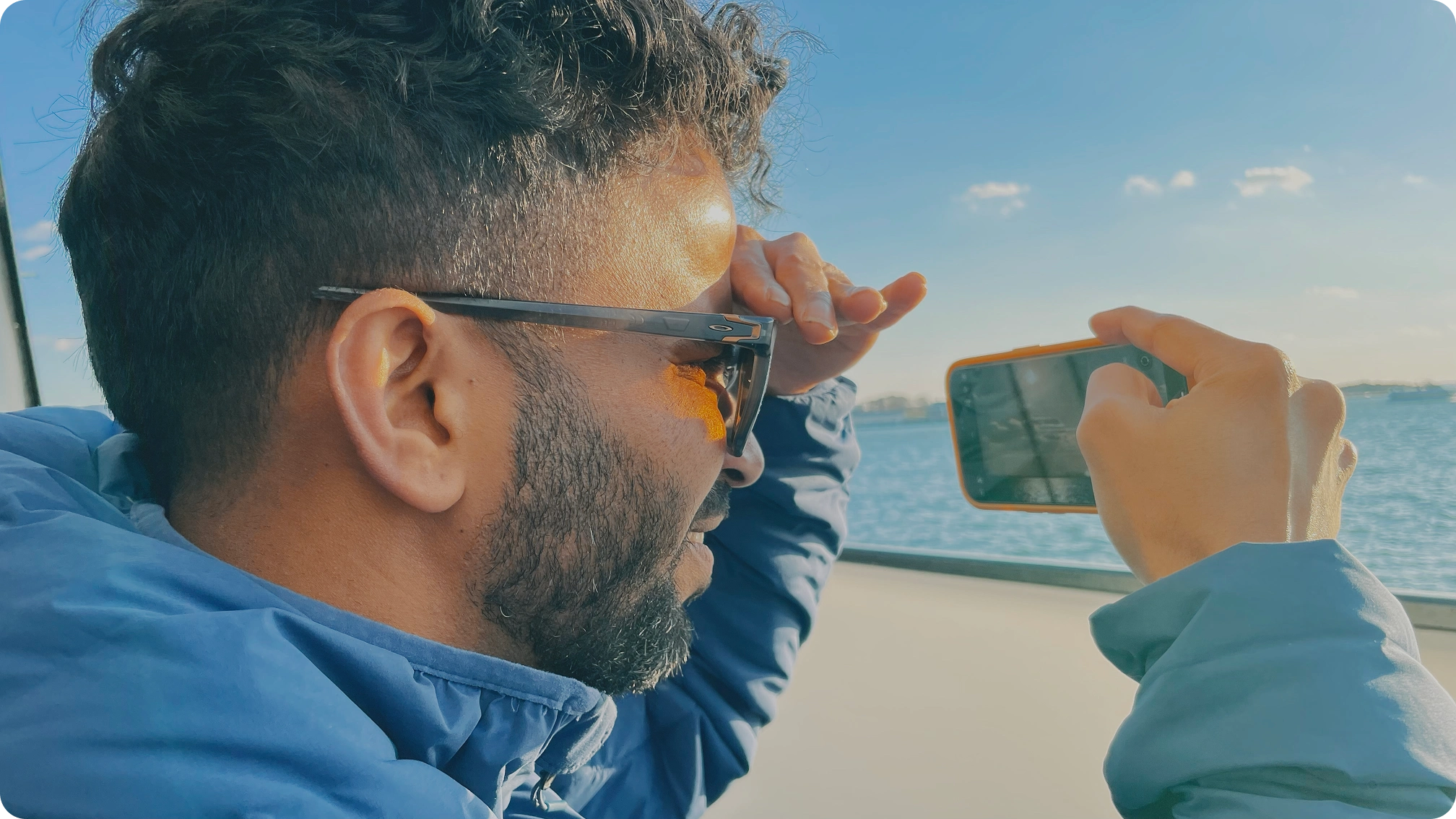
I started as an engineer in Mumbai, fresh out of college, building workflow systems for Fortune 500 clients. Most days I was translating between business stakeholders who wanted outcomes and engineers who wanted specs, and I kept noticing that every meaningful problem in the room was a design problem in disguise. That was the quiet beginning.
I moved to Indiana for grad school, an MS in Information Science at IU Bloomington, with coursework spanning HCI, information architecture, and design research methods. Two years taught in equal parts by my professors and by the undergrads I TA'd. It was the first time I had a vocabulary for the instincts I'd built earlier.
Then I came to the Bay Area and never left. Viptela → Cisco → VMware → Alkira. Each job handed me a harder version of the same puzzle: take a system no human can hold in their head, and design a way for a human to trust it anyway. Somewhere along the way I stopped being an interaction designer and became whatever this is, an enterprise AI-systems designer, I suppose, though the job title keeps moving.
Today I lead design at Alkira, the first designer hired at a Fortune-10-serving infrastructure startup. I filed my fourth patent last year. I'm teaching the rest of the company how to work with AI without losing the trust our customers pay us for. And I'm still asking the same question: Why does it have to be this hard?
The rest of the picture.
Four cities, four obsessions. The places that shaped me, and the things that keep recharging the pattern-matcher.
Every role compounded the last.
Five chapters: execution, research, domain, influence, ownership. Each one added a layer the next one needed.
Four things that compound across roles.
The game isn't creation anymore. It's prioritization. These four are what separate principal thinking from senior execution.
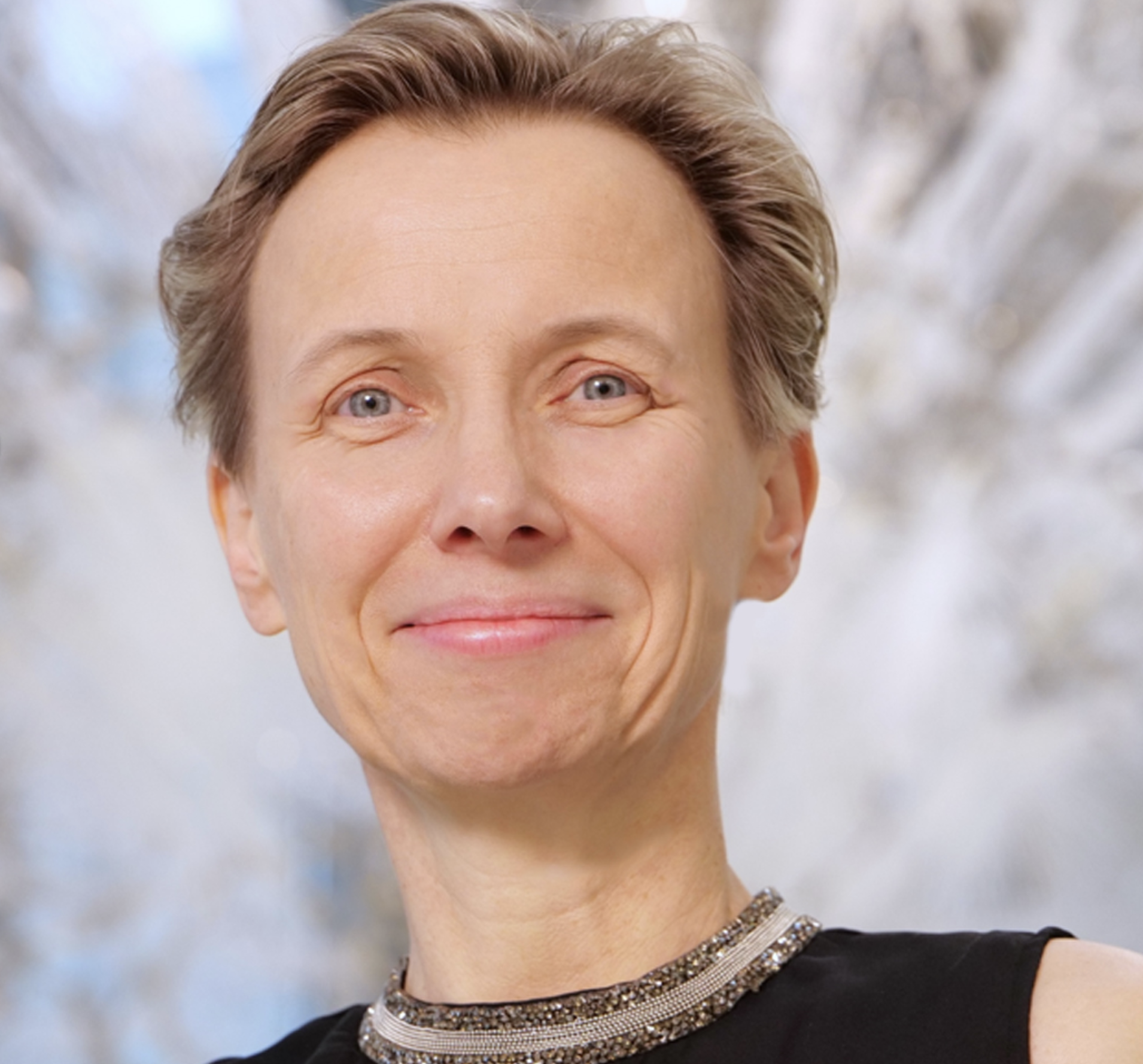
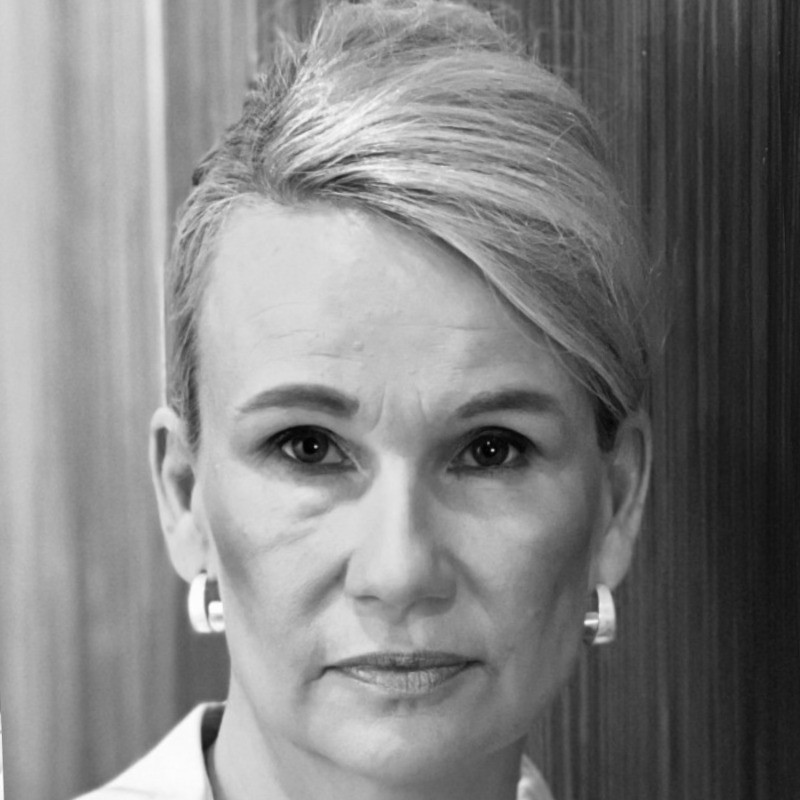
Voices that shaped
my design thinking.
Direct mentorship from people who challenged my assumptions, expanded my craft, and taught me that good design is a way of thinking, not just a deliverable.

Bridging technical complexity
and human understanding.
My work lives in the in-between. Between the system and the self, between what is built and what is understood.
Build trust through transparency
Show the work, the limits, and the seams. Confidence comes from being able to see what's actually happening.
Respect expertise, reduce friction
Enterprise users are the masters of their craft. Design should multiply their judgment, not babysit it.
Simplify without dumbing down
Hide complexity, never the truth. The system can be sophisticated. The interface should feel inevitable.
Make the complex feel manageable
Big systems should feel navigable. Give people a compass, not a map of every corridor.
Let's make something hard feel simple.
Open to principal / leadership roles where infrastructure meets AI meets real stakes. Or just a good conversation over coffee.